
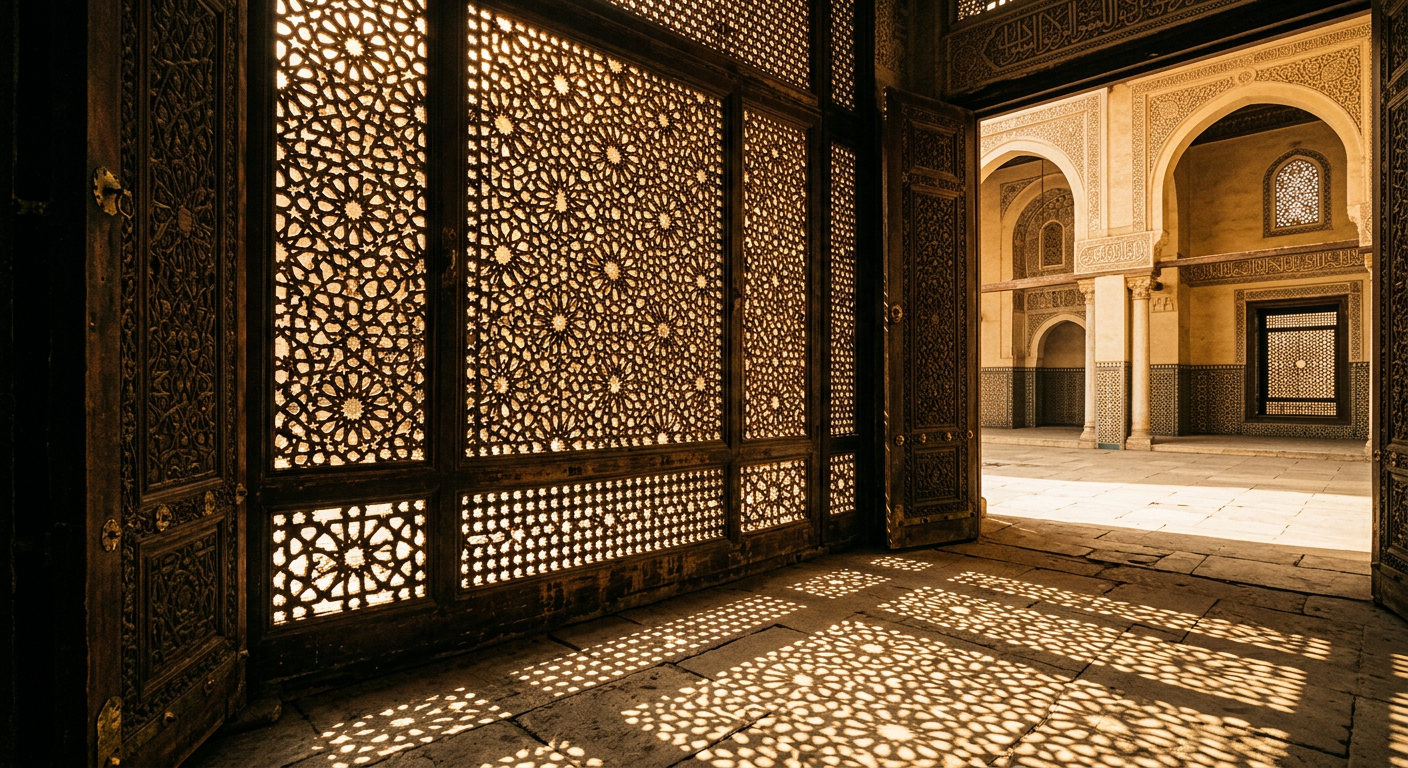
Museum archivesArchitectural surveysOriginal field photography
Dar al-Fann publishes museum-grade art prints from the great Islamic civilisations — sourced from the world's leading collections and restored to their original precision.
For cultivated homes in Europe and the Gulf.
The house draws on museum archives, nineteenth-century architectural surveys and the founder's own field photography. Historical sources are restored; original photographs bring a contemporary eye to the catalogue.
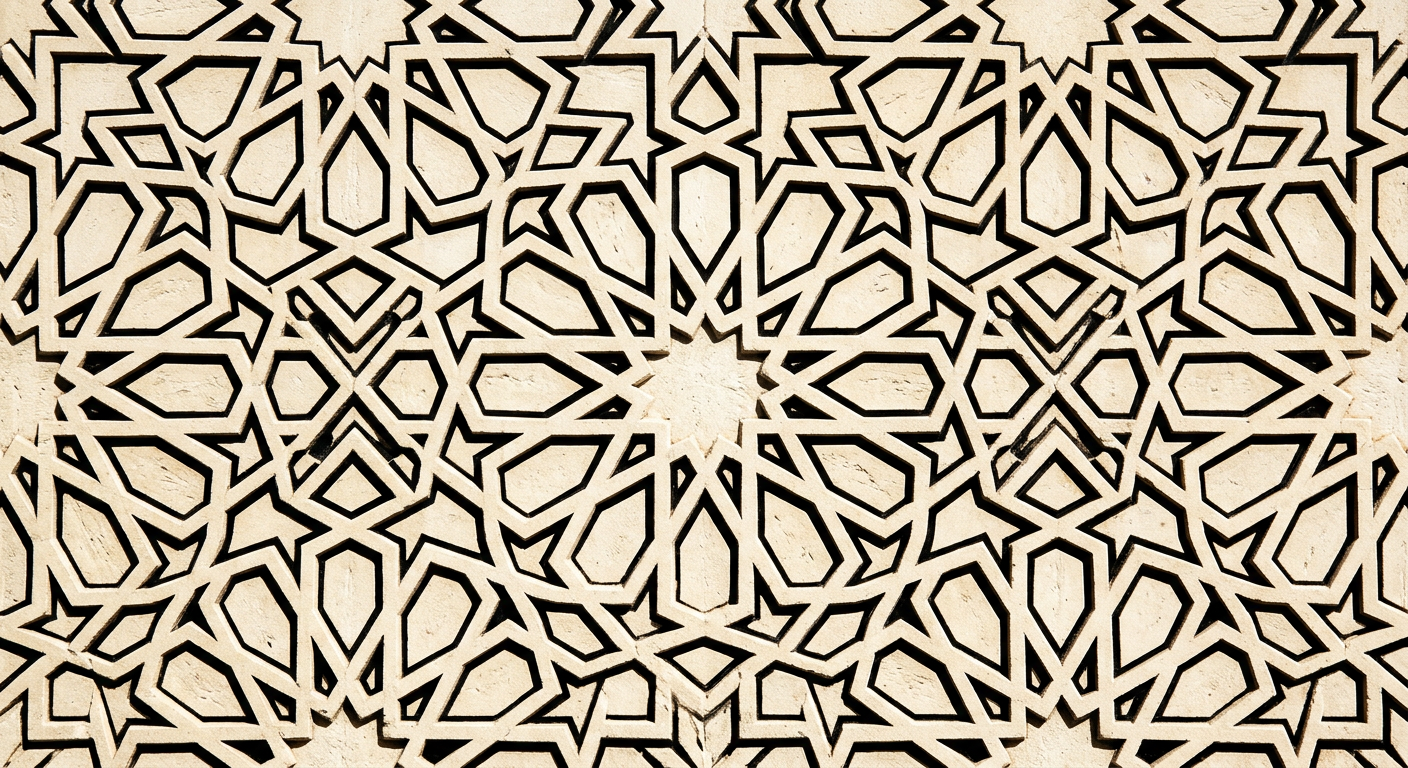
Fourteenth-century mashrabiyaReads next to MondrianReads next to Frank Lloyd Wright
Islamic geometry was always avant-garde.
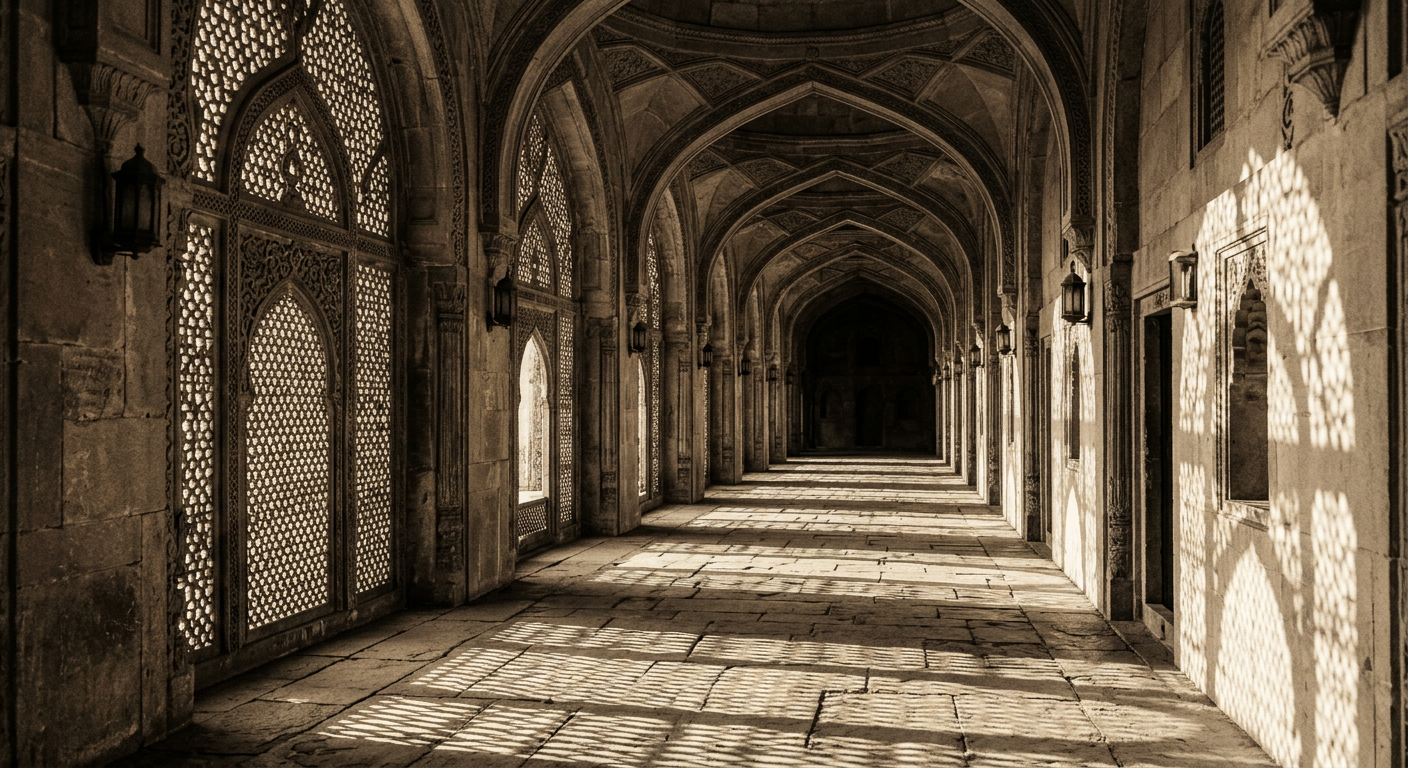
A lattice cut in the fourteenth century and a canvas gridded in the nineteen-twenties are solving the same problem of line and void.
The mashrabiya was never background pattern. It is a working study in proportion, repetition and negative space — the same study Piet Mondrian pursued on canvas and Frank Lloyd Wright pursued in concrete and glass, centuries apart and without knowing each other's work. Dar al-Fann prints the originals so the lineage can be seen in one room instead of argued in footnotes.
How an architectural plate is made.
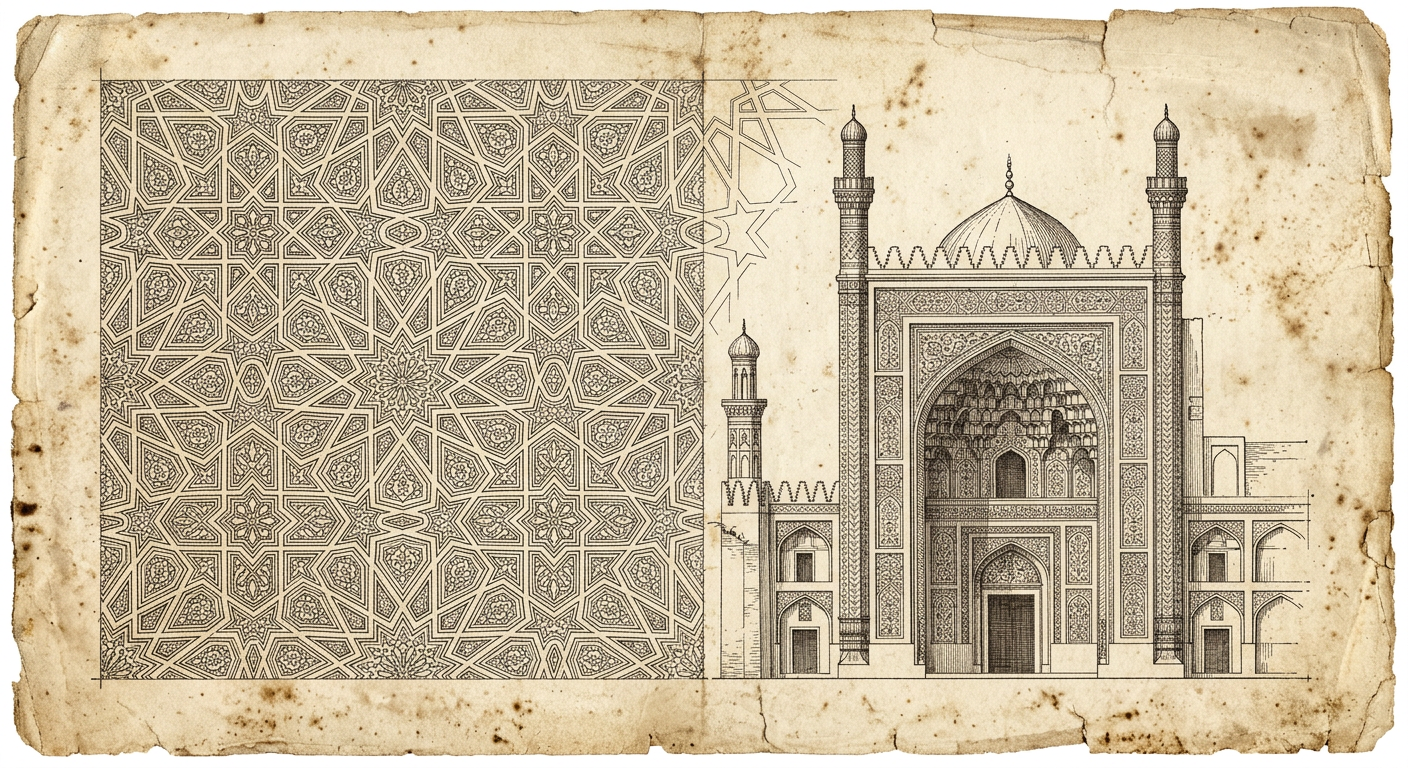
The Survey
A nineteenth-century architectural survey, found as it was printed — captions, foxing, warped paper and all.
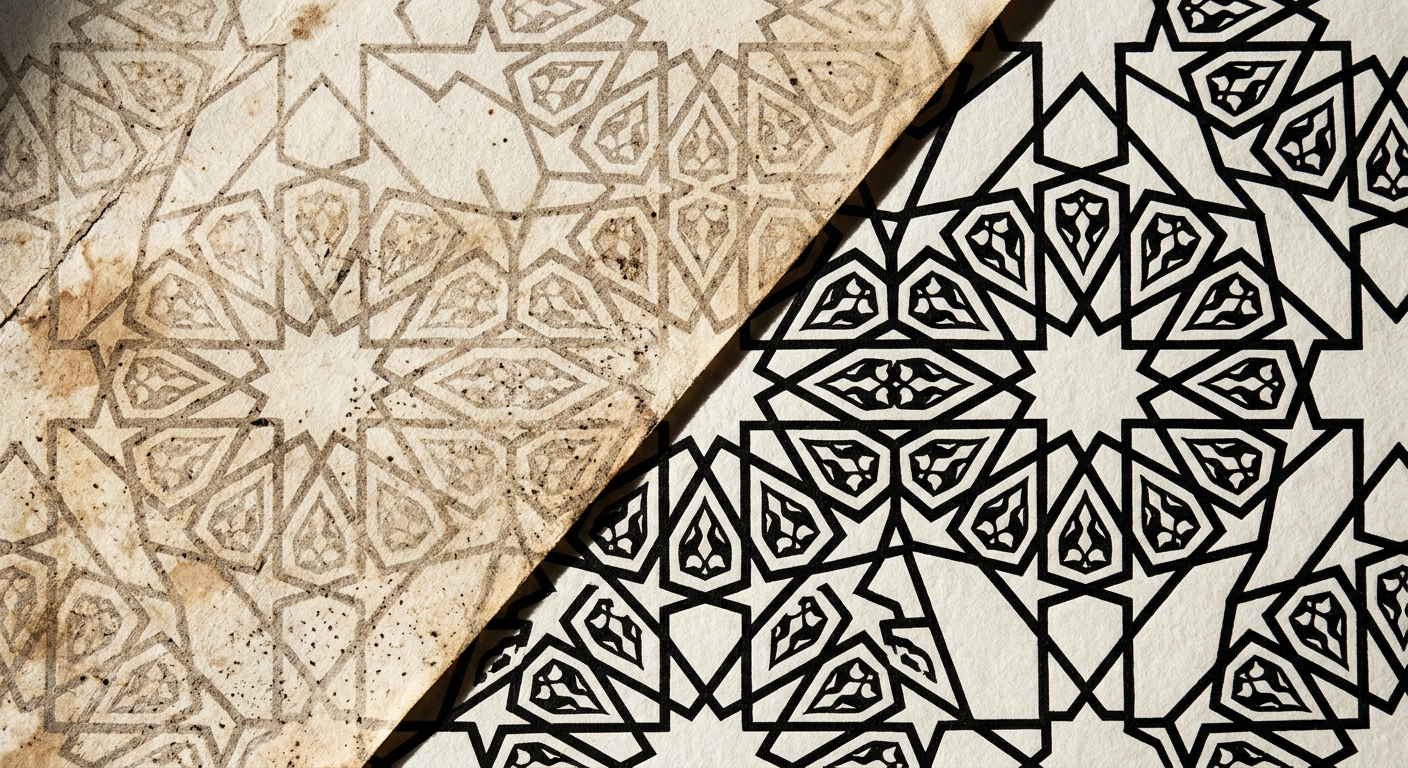
The Restoration
Every caption, stain and distortion is removed from the plate by hand, line by line, until only the geometry remains.
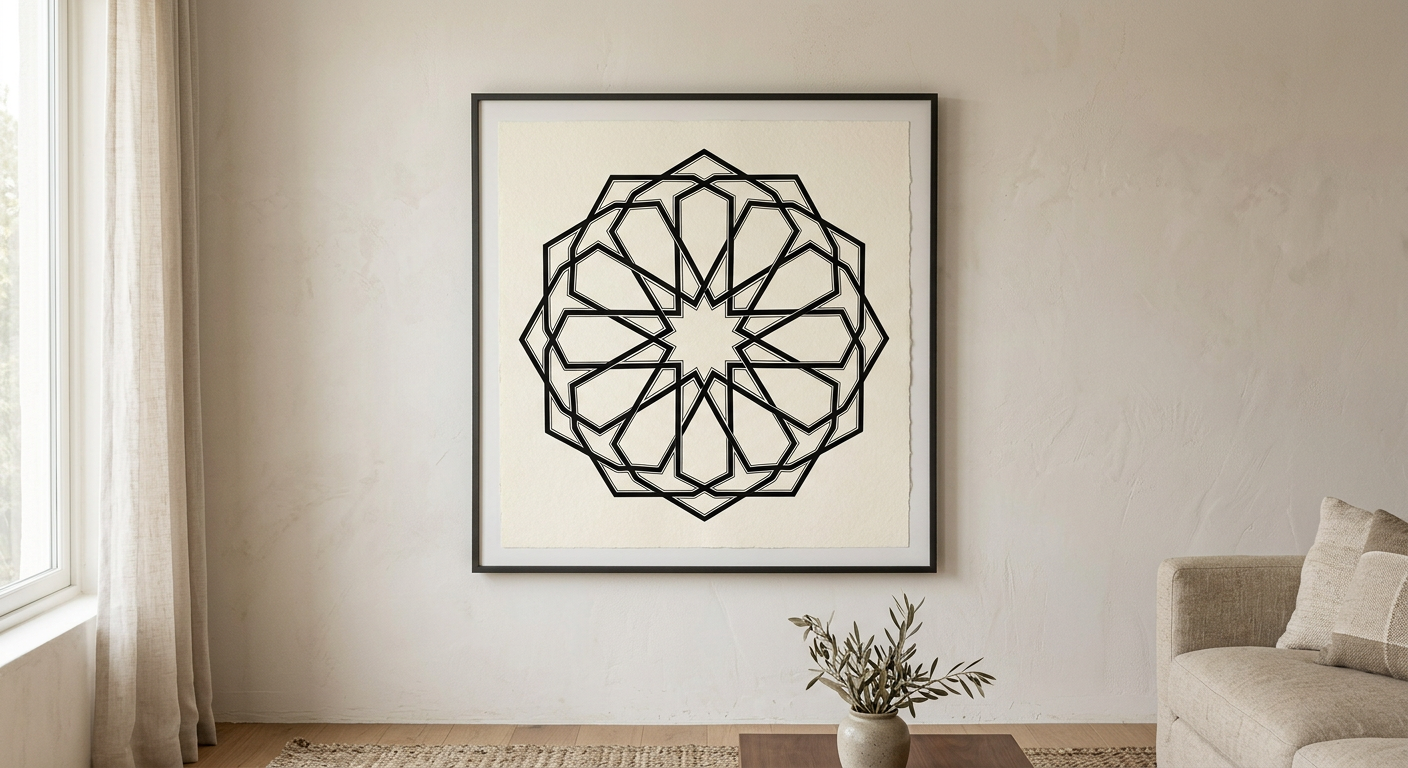
The Print
The restored plate is reproduced on Hahnemühle cotton paper, ready to be framed and hung.
Sample
This is what the offer produces: one plate, restored, printed and framed.
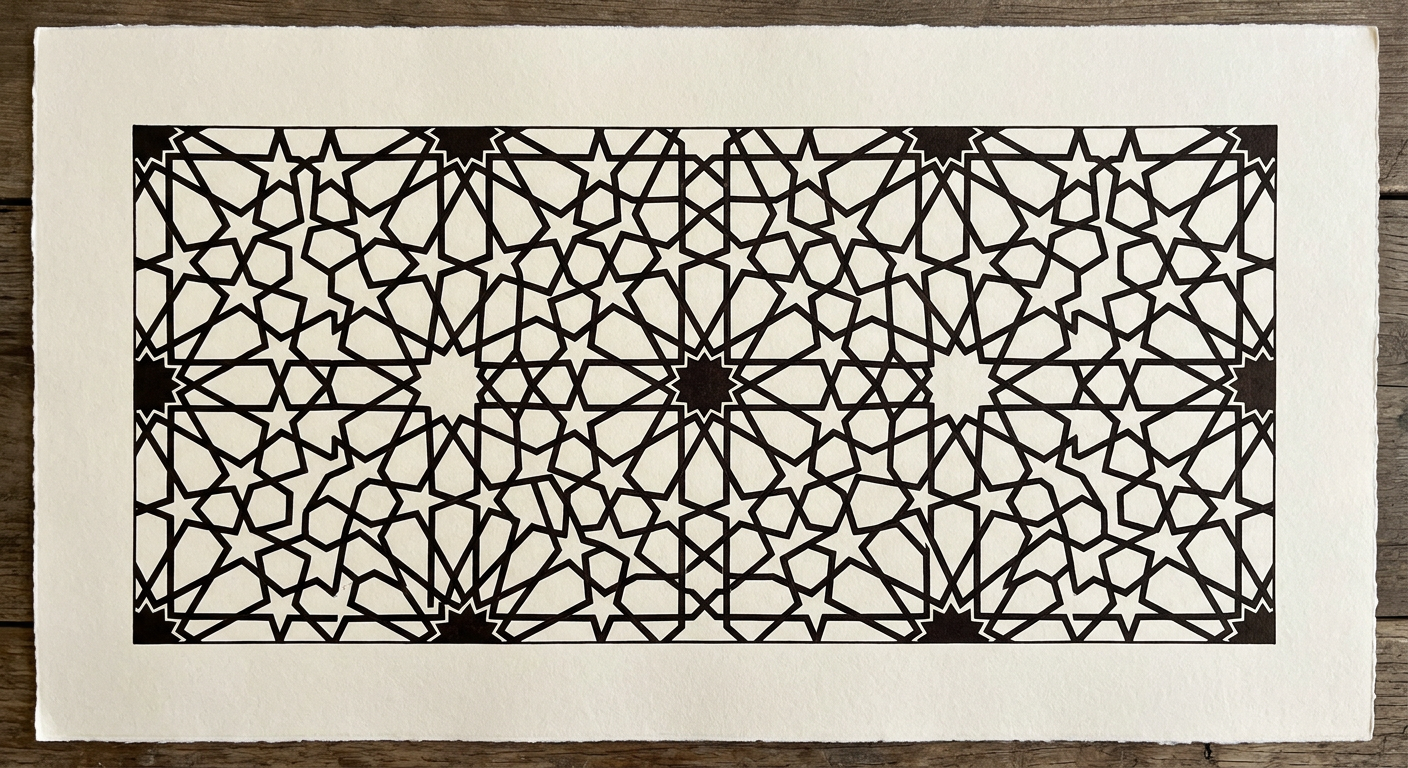
Sample — a restored plate, printed on cotton paper.
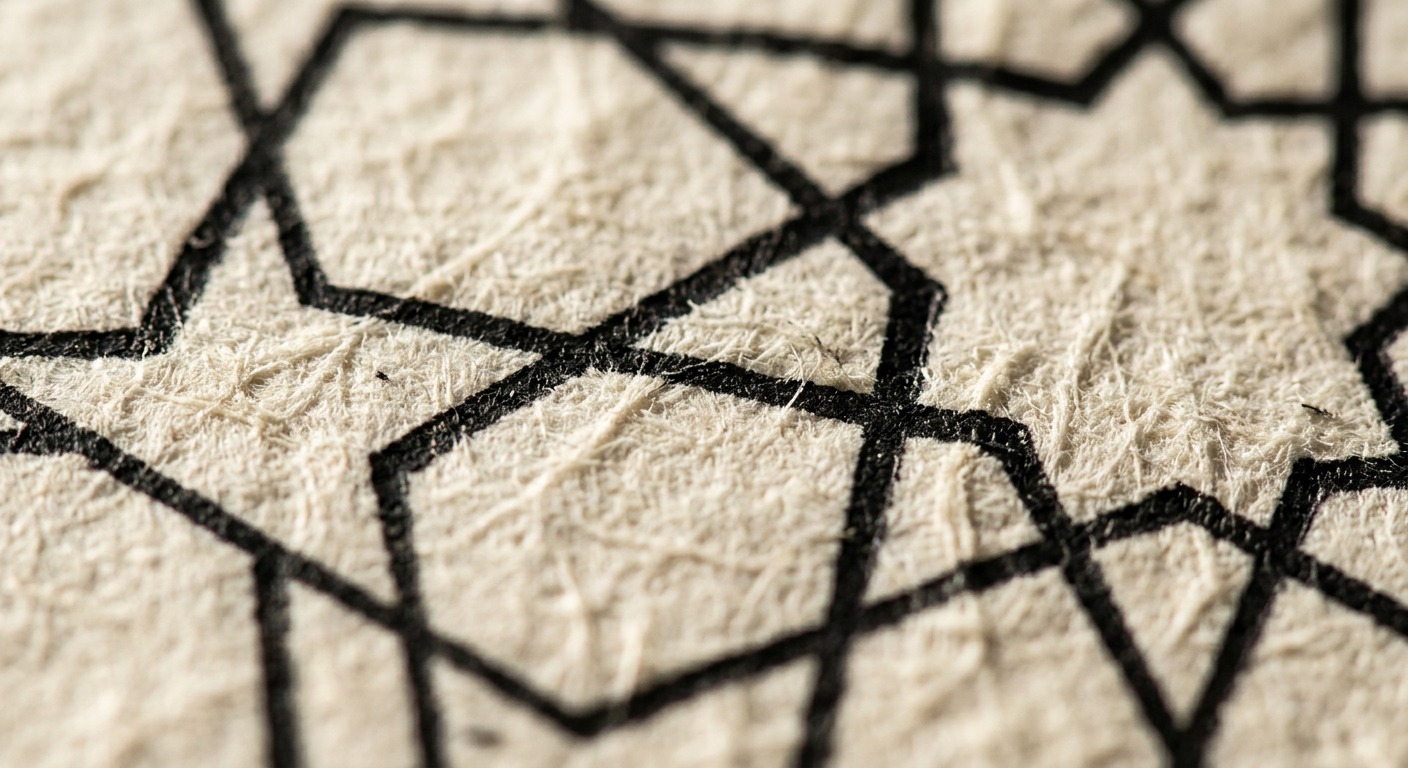
Sample detail — ink on cotton paper.
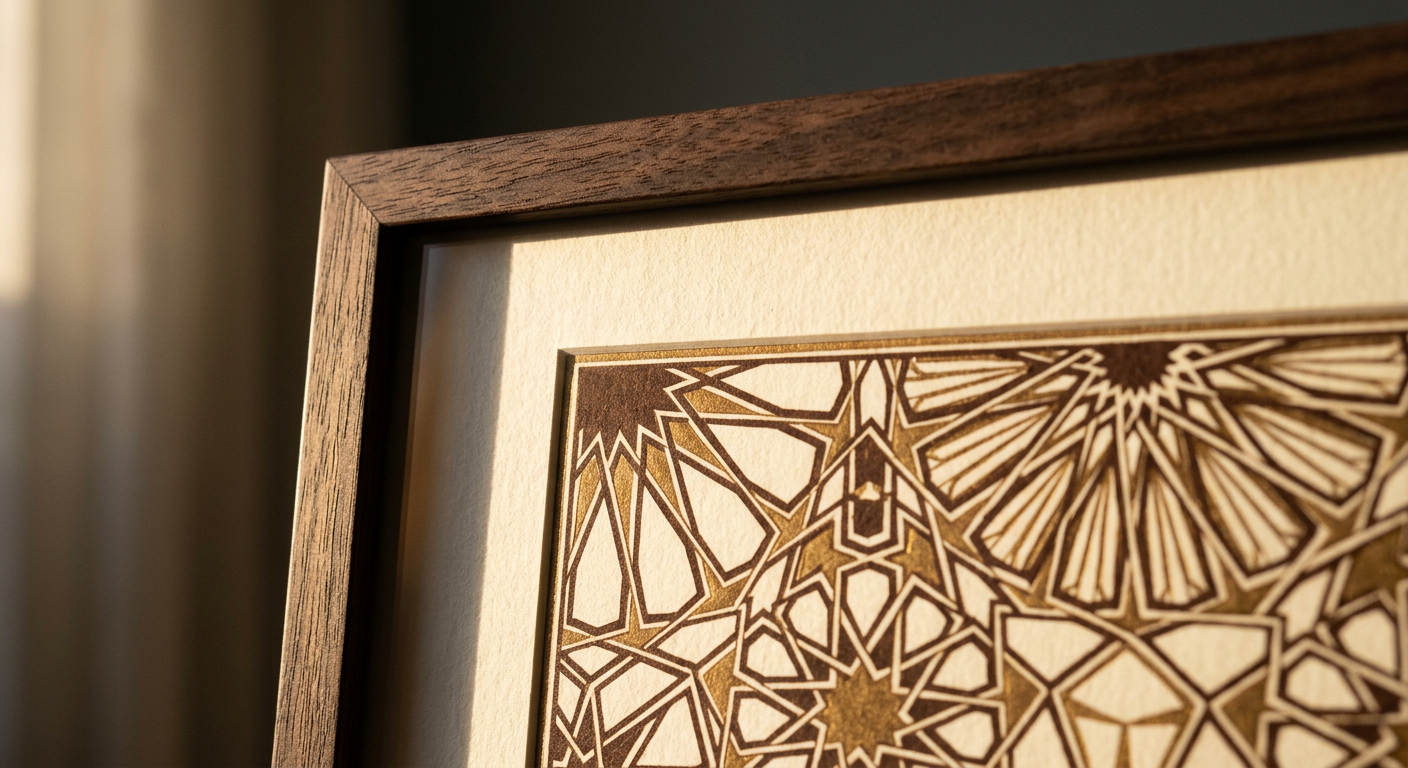
Sample detail — the framed edge.
Price
How it's priced.
Each plate and format is sold once, through a hosted checkout, at its own fixed price in euros. Shipping reaches Paris, London, the Gulf, and anywhere beyond.
The great Islamic civilisations, published for the modern home.